

Which Hospital Bed Is Better in Bangladesh

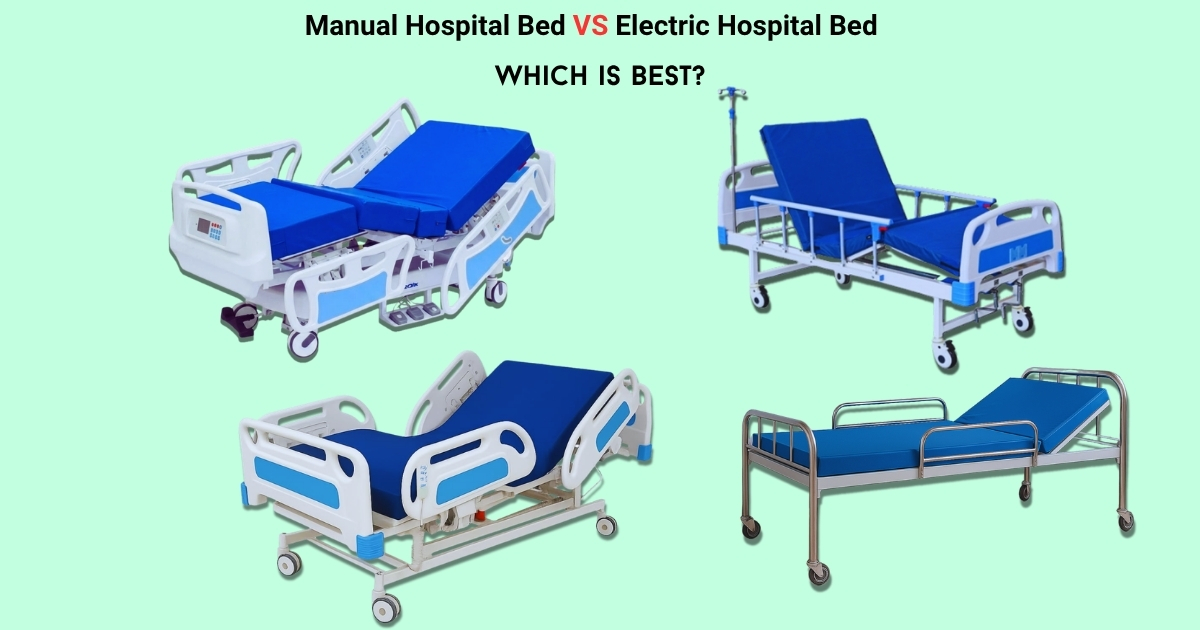
Choosing a hospital bed is not simply about price. The right bed can improve patient comfort, support recovery, reduce caregiver effort, and enhance safety. Many buyers struggle to decide which hospital bed is better because each serves different needs and budgets.
This guide explains the key differences, advantages, disadvantages, and important factors to consider before making a purchase. Whether you are equipping a clinic in Dhaka or setting up a comfortable room for an elderly parent at home, understanding the core differences between an electric vs manual hospital bed is the first step to making a smart decision.
Which Hospital Bed Is Better, Electric or Manual? Everything You Need to Know Before Buying
What is a hospital bed?
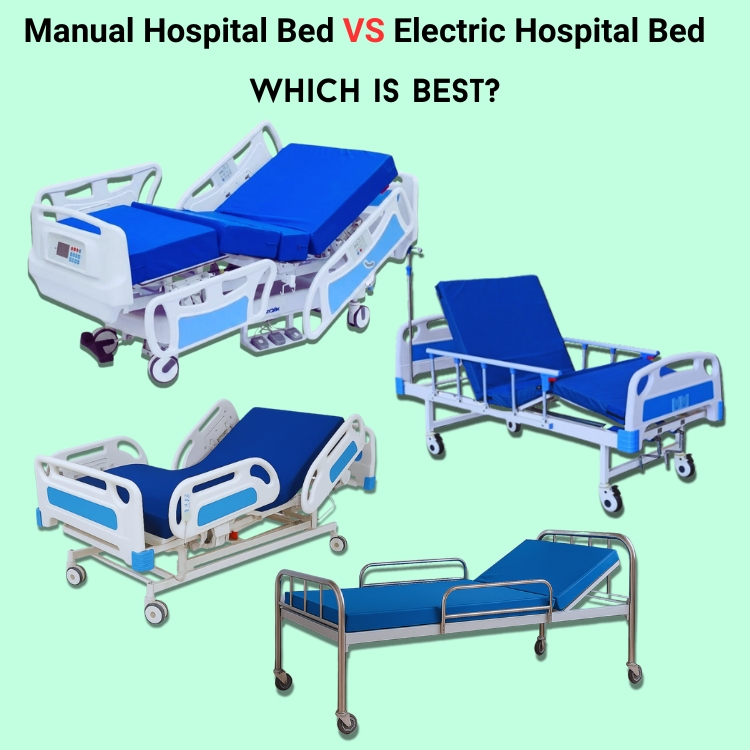
A hospital bed is specifically engineered to assist in the care and recovery of a patient. Unlike standard wooden or metal beds used in homes, a medical bed features adjustable parts. These movable sections allow the user to elevate the head, raise the legs, and change the overall height of the mattress from the floor.
Why Specialized Beds Are Important
When a person is restricted to a bed for days or months, their physical needs change completely. Lying flat for too long causes poor blood circulation, breathing difficulties, and severe pressure ulcers known as bedsores. A specialized bed allows caregivers to easily shift the patient’s weight and keep them in proper medical postures without lifting them by hand.
Common Uses in Hospitals, Clinics, Nursing Homes, and Home Care
A hospital bed in Bangladesh serves different roles depending on the location. In large hospitals, these beds are the central hub where doctors examine patients, administer IV fluids, and monitor vital signs. Private clinics often use them for short observation periods. Nursing homes rely on them to give elderly residents a safe place to sleep and sit up. Today, many families also buy a medical bed for home care to manage the recovery of relatives after major surgeries or strokes.
How Hospital Beds Support Patient Recovery and Caregiver Convenience
A proper bed accelerates recovery by allowing proper lung expansion when the backrest is elevated. For caregivers, the bed is a crucial tool. Bending over a low home bed to change bandages or feed a patient causes severe back pain. Hospital beds can be raised to the caregiver’s waist level, making daily tasks much safer and easier for everyone involved.
What Is a Manual Hospital Bed?
A manual hospital bed is the most traditional type of patient bed. It relies entirely on mechanical principles rather than electricity to move the various sections of the frame.
How It Works
Manual beds use a system of hand cranks. These metal handles are usually located at the foot of the bed frame, neatly tucked away when not in use.
- Backrest elevation: Turning the first crank slowly raises the head section. This helps the patient sit up for eating, watching television, or talking with visitors.
- Leg positioning: A second crank elevates the knee section. Raising the knees improves blood circulation in the legs and prevents the patient from sliding down toward the bottom of the bed when the backrest is up.
- Bed height adjustment (if applicable): On three-function manual beds, a third crank raises or lowers the entire bed frame. This makes it easier for the patient to get in and out of bed safely.
Advantages of Manual Hospital Beds
- Lower purchase cost: A manual hospital bed price is highly budget friendly. Because there are no electronic components, they cost significantly less to manufacture.
- Minimal maintenance: Without complex circuit boards or motors, very little can go wrong. A simple drop of oil on the crank joints is usually all the maintenance required.
- No electricity required: They work perfectly fine during power outages. This is a massive advantage in areas where electricity access is inconsistent.
- Reliable operation: They are incredibly durable and can withstand heavy daily use in busy public hospitals.
Limitations
Less convenient for caregivers: The patient cannot adjust the bed themselves. If they want to sit up slightly, they must call a nurse or family member to come and turn the crank.
Requires physical effort: The caregiver must physically turn the metal handles. Doing this multiple times a day is tiring.
Slower adjustments: It takes time to crank the bed up and down, which is not ideal in an emergency where a patient needs to be laid flat instantly.
What Is an Electric Hospital Bed?
An electric hospital bed operates using built-in motors. It replaces the physical hand cranks with an electronic remote control or control panel.
How It Works
The motors are attached directly to the frame underneath the mattress. The bed is plugged into a standard wall outlet. The patient or caregiver uses a simple remote control pendant to press buttons that raise the head, lift the knees, or lower the entire bed smoothly and quietly.
Advantages of Electric Hospital Beds
- Easy positioning adjustments: Pushing a button requires zero physical effort. The movements are smooth, steady, and do not jolt the patient.
- Improved patient independence: This is a major psychological benefit. A patient can adjust their own sleeping or sitting position whenever they want without feeling like a burden to their family.
- Reduced caregiver workload: Family members do not have to strain their backs. Nurses in busy wards save valuable time when adjusting beds for multiple patients.
- Better comfort for long-term patients: Because adjustments are effortless, patients change positions more frequently. This directly improves blood flow and reduces the risk of skin breakdown.
Limitations
- Higher initial cost: An electric hospital bed price is a serious investment compared to a manual model.
- Requires electrical power: While many modern beds have backup batteries, they still require a reliable power source for long term daily operation.
- More complex maintenance: If a motor burns out or the remote control wire breaks, you will need a technician to repair it.
Electric vs Manual Hospital Bed Side-by-Side Comparison
When looking at a patient bed buying guide, comparing the two options directly helps clarify which features matter most for your situation.
Ease of Use
Electric beds win easily here. A push of a button adjusts the bed in seconds. Manual beds require bending down and physically turning heavy cranks.
Patient Comfort
Both beds offer similar physical support if paired with a good mattress. However, electric beds allow for micro adjustments. A patient can tap a button to raise their head by just one inch, whereas a manual bed requires someone to guess the right height.
Caregiver Convenience
Electric beds eliminate physical labor. If a family member is taking care of an elderly parent at home, an electric bed protects the caregiver from shoulder and lower back injuries.
Maintenance Requirements
Manual beds require almost no maintenance. Electric beds need occasional checks to ensure the cables are intact and the motors are running smoothly without overheating.
Long-Term Value
For short term use, a manual bed offers great value. For long term care stretching over years, the physical relief an electric bed provides makes it the better long term investment.
Initial Investment Cost
Manual beds are widely affordable. Electric beds are premium products.
Safety Features
Electric beds often come with central locking wheels and advanced CPR release levers that drop the bed flat instantly. Manual beds have basic independent wheel locks and take longer to lower in an emergency.
Suitability for Home Care
A medical bed for home care is usually managed by family members who are not trained nurses. An electric bed is highly recommended for home use because it is safer and easier for untrained people to operate.
Which Hospital Bed Is Best for Different Situations?
The right choice depends entirely on who is using the bed and where it is located.
For General Hospital Wards
Large hospitals dealing with high patient turnover usually prefer manual beds or semi-electric beds. They are tough, easy to clean, and keep equipment budgets manageable when outfitting rooms with thirty or forty beds.
For ICU and Critical Care
An ICU bed Bangladesh must be fully electric. In intensive care, nurses need to perform complex positioning like tilting the patient head down to drain fluids from the lungs. A 5-function electric bed is mandatory for critical care units.
For Elderly Patients
Older adults often struggle with mobility. An electric bed allows an elderly patient to raise the headrest independently so they can sit up to take their daily medicine safely without waiting for a family member to help them.
For Long-Term Home Care
If a relative has suffered a stroke or is permanently bedridden, an electric bed is essential. The family will need to change diapers, bathe the patient, and feed them multiple times a day. An electric bed makes these heavy tasks manageable.
For Rehabilitation Centers
Patients recovering from joint replacements or spine injuries need exact positioning. Electric beds provide the smooth, precise movements required during physical therapy sessions.
For Budget-Conscious Buyers
If funds are tight but you need immediate medical furniture, a two-function manual bed is the smartest choice. It provides the essential medical functions of elevating the head and knees without breaking the bank.
Important Features to Check Before Buying
No matter which type of bed you choose, certain features define the quality of hospital furniture Bangladesh offers.
Bed Frame Quality
Look for frames made of thick, powder coated steel. The frame must feel heavy and stable. If the metal feels thin, the bed will warp under the patient’s weight over time.
Weight Capacity
Check the maximum safe working load. If you are buying a bed for a heavier patient, ensure the motors on the electric bed or the metal joints on the manual bed are rated to handle that specific weight safely.
Side Rails
Collapsible side rails are non negotiable. They stop the patient from rolling out of bed while sleeping. Look for rails made of durable aluminum or strong ABS plastic that lock securely into place.
Lockable Castor Wheels
Hospital beds are heavy. The wheels must roll smoothly so you can clean under the bed. More importantly, the wheels must feature strong locking brakes so the bed does not slide away when the patient leans against it to stand up.
Mattress Compatibility
Standard foam mattresses are fine for short term use. However, if the patient cannot move, you must ensure the bed frame is compatible with an alternating pressure air mattress. These air mattresses are crucial for preventing bedsores.
Emergency Positioning Functions
If buying an electric bed, check if it has a manual override feature. If the power goes out while the backrest is raised, you need a way to lower the bed manually so the patient can sleep flat.
Warranty and After-Sales Support
Motors burn out and cranks can strip. Always buy from a supplier that provides a clear warranty and actually keeps spare parts in stock locally.
Common Mistakes Buyers Make
Buying Solely Based on Price
Choosing the cheapest unbranded manual bed often results in broken wheels and bent frames within months. A bed is a medical tool, and cheap construction puts the patient at risk of falling.
Ignoring Future Patient Needs
A patient might only need a basic manual bed today. But if their condition is degenerative, they might lose all mobility in six months. It is often wiser to buy a fully electric bed now rather than buying a manual bed today and replacing it next year.
Choosing the Wrong Bed Size
Hospital beds are larger than standard home beds. Buyers often forget to measure their bedroom doors. Ensure the bed can actually fit through the door frames of your house before arranging delivery.
Why Healthcare Facilities Prefer Electric Beds for Long-Term Care
Hospitals and nursing homes are rapidly upgrading from manual to electric beds for very practical reasons.
Efficiency is the biggest driver. A nurse can adjust an electric bed in five seconds while checking a monitor. A manual bed takes a full minute of physical labor. Over a twelve hour shift, this saves massive amounts of time and energy.
Patient comfort naturally increases when adjustments are easy. But the most important factor for facility managers is reduced physical strain on their staff. Nurses frequently suffer from lower back injuries caused by lifting patients and cranking heavy beds. Providing electric beds is a direct way to protect staff health and improve overall workplace productivity.
When a Manual Hospital Bed Is Still the Better Choice
Electric beds are excellent, but manual beds are still highly relevant in many scenarios.
A manual bed is the better choice when the budget is strictly limited. It is better to buy a high quality, heavy duty manual bed than a low quality, cheap electric bed that will break down quickly.
If short term use is expected, such as a six week recovery from a broken hip, spending a huge amount on an electric bed is unnecessary.
Finally, in rural areas or specific clinic locations where electricity access is highly unreliable and frequent power cuts happen, a manual bed guarantees that you can always adjust the patient safely, no matter the situation.
Why Choose Aleef Surgical?
Purchasing a hospital bed is a significant commitment. You need a reliable partner who understands medical equipment. Aleef Surgical is a trusted importer and supplier of hospital furniture in Bangladesh, serving both major medical centers and private homes.
- Wide range of hospital beds: We offer everything from simple examination couches to premium 5-function electric ICU beds.
- Quality-focused sourcing: We supply beds made with high grade steel, durable motors, and robust locking mechanisms designed for heavy use.
- Reliable customer support: Our expert team helps you evaluate your actual needs so you never overpay for features you do not require.
- Nationwide delivery: Whether your facility is in the heart of Dhaka or outside the capital, we ensure safe and prompt delivery of your medical furniture.
- Solutions for hospitals, clinics, and home care: We understand the technical requirements of large scale hospital wards and the sensitive needs of family home care setups.
Frequently Asked Questions (FAQ)
Which is more comfortable, an electric or manual hospital bed?
If they use the same quality mattress, the physical sleeping surface is identical. However, an electric bed is far more comfortable in practice because the patient can make small, frequent adjustments to their posture easily.
Is an electric hospital bed worth the extra cost?
Yes, if the patient requires long term care or is completely immobile. The relief it provides to caregivers and the independence it gives the patient make the investment highly worthwhile.
Can electric hospital beds work during power outages?
Premium electric beds feature backup batteries that allow for basic adjustments during an outage. Some models also include a manual override crank. Always ask the supplier about power failure features before buying.
Which hospital bed is best for elderly patients?
An electric bed is highly recommended. It allows elderly individuals to sit up safely without waiting for assistance and lowers the risk of injury when getting in and out of bed.
Are manual hospital beds durable?
Yes, they are extremely durable. Because they lack motors and circuit boards, there are very few parts that can break. A high quality manual bed can easily last over a decade.
What features should I prioritize before buying?
Focus on the frame strength, reliable side rails, smooth castor wheels with strong brakes, and the availability of local spare parts.
Can hospital beds be used at home?
Absolutely. Specialized medical beds for home care are very common. They are designed to fit into a standard bedroom while providing all the necessary clinical functions to manage a patient safely at home.
Conclusion
Deciding between an electric vs manual hospital bed comes down to evaluating your specific daily needs. A manual bed is a highly reliable, cost-effective solution for clinics, short-term recoveries, and situations where caregivers are physically able to make manual adjustments. An electric bed is an investment in long-term comfort, offering effortless positioning, reducing severe caregiver strain, and giving patients crucial independence during their recovery.
By carefully assessing the patient’s condition, the physical limits of the caregiver, and your available budget, you can make a smart, informed choice. Taking the time to understand these differences ensures you provide the best possible care environment.

 First Aid Kit and Safety