

CPR Manikin Guide: Adult, Infant, Child & Delivery Simulation Training

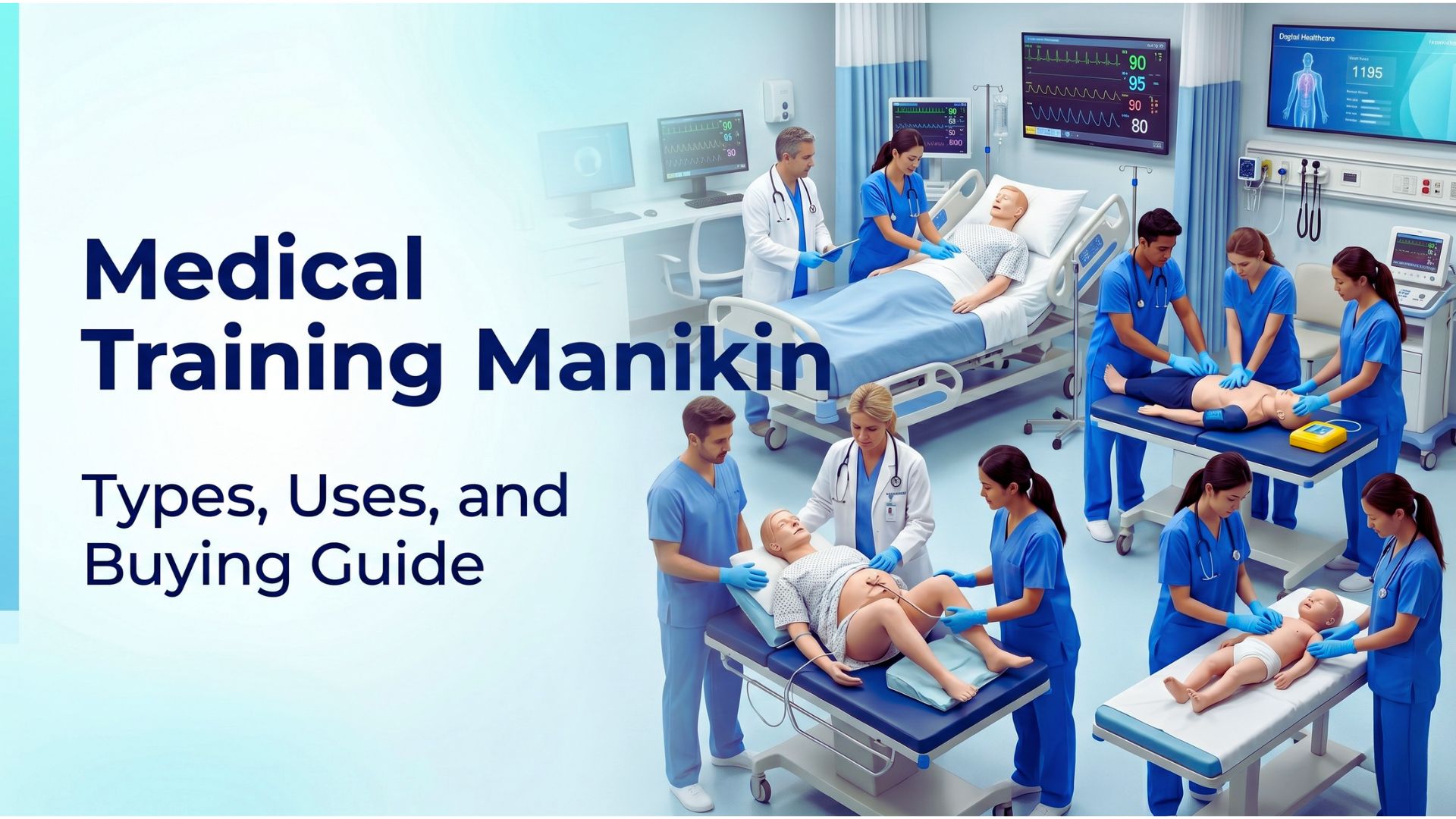
Healthcare education relies heavily on practical experience. Reading textbooks and watching clinical lectures provides foundational knowledge, but nothing replaces hands-on practice. Medical simulation training is essential to bridge the gap between classroom theory and real patient care.
At the center of this practical approach is the medical training manikin. These specialized tools allow students and seasoned professionals to practice critical procedures in a safe and controlled environment. Whether you are setting up a nursing institute, upgrading a hospital simulation lab, or managing an emergency response training center, understanding the different types of manikins will help you make the best choice for your curriculum.
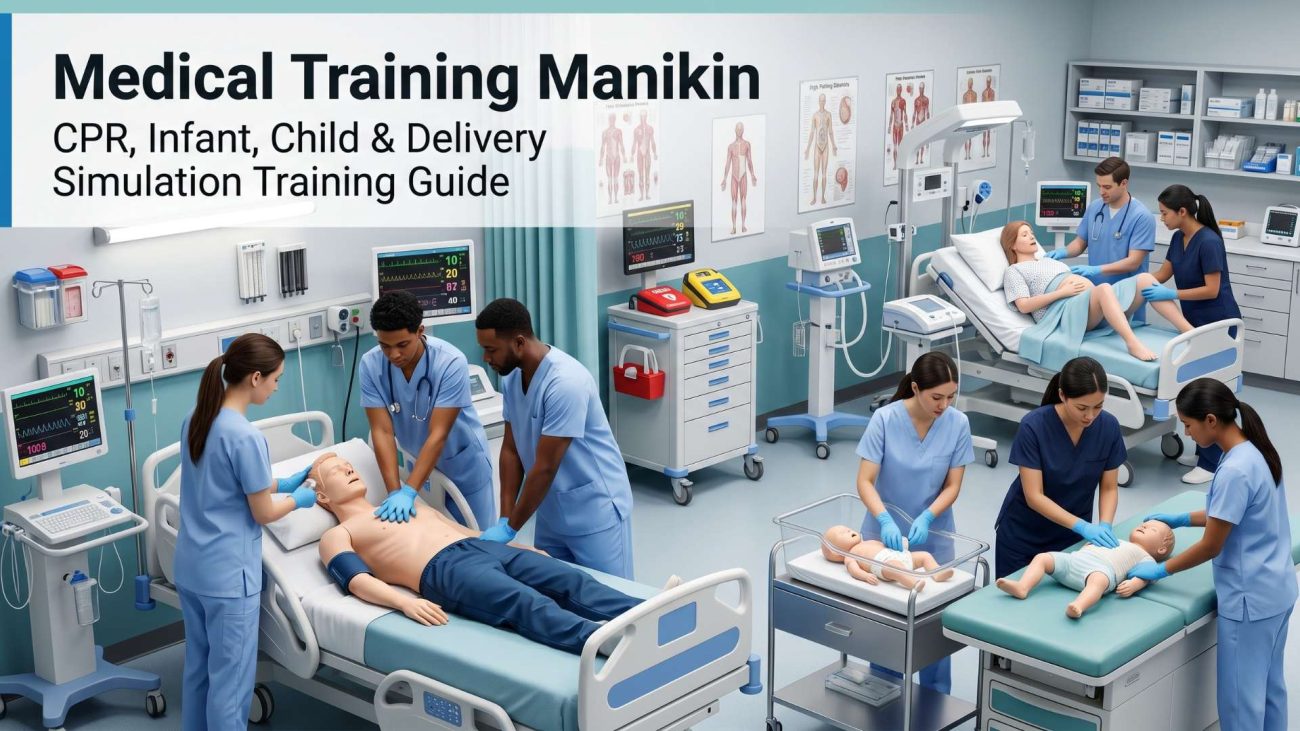
What Is a Medical Training Manikin?
A medical training manikin is a lifelike anatomical model designed for teaching and practicing healthcare procedures. These models range from simple anatomical parts used for basic task training to highly advanced, computer-operated simulators that can breathe, bleed, and respond to medication.
Their primary purpose is clear. They give learners a realistic platform to practice clinical tasks before they interact with living patients. Modern healthcare education depends on these tools to ensure practitioners are ready for unpredictable clinical environments. By practicing on a medical training manikin, students learn the exact mechanics of a procedure without risking harm to a person.
Why Medical Institutions Need Training Manikins
Medical colleges, hospitals, and clinical simulation laboratories invest in this equipment for several practical and essential reasons.
Patient safety: This is the most obvious benefit. When learners make mistakes on a manikin, they learn valuable lessons without causing injury to a patient.
Skill development: Dedicated nursing training equipment allows students to repeat procedures over and over until they develop strong muscle memory.
Confidence building: Repetition builds confidence. A confident nurse or doctor performs better under pressure and communicates more clearly in emergencies.
Standardized training environments: Every student encounters the exact same clinical scenario. This allows educators to evaluate their clinical skills training fairly and consistently during practical exams.
CPR Manikin and CPR Dummy for Emergency Response Training
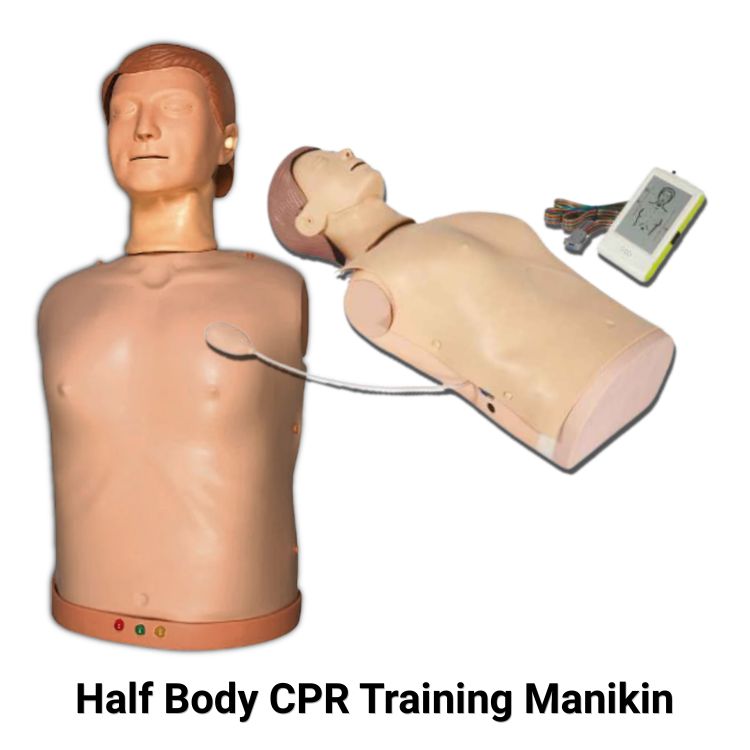
Basic life support requires precise timing and correct physical technique. A medical training manikin is the most recognized piece of equipment in emergency response training. Sometimes called a CPR dummy, this tool is vital for teaching proper chest compressions and rescue breathing.
Advanced models provide real-time feedback on compression depth and rate, ensuring learners meet the exact standards required for Basic Life Support (BLS) and Advanced Cardiovascular Life Support (ACLS) certifications. This realistic learning experience is crucial. When sudden cardiac arrest happens, responders need to act instinctively. Practicing on a responsive model ensures they know exactly how much pressure to apply and how to maintain the correct rhythm without hesitation.
Full Body Manikin for Comprehensive Clinical Practice
When you need to teach complete patient assessment, a full-body manikin is the best option. These models allow for multi-skill training applications and give students a true sense of human proportions.
Instructors use them to teach a wide variety of nursing procedures, such as urinary catheterization, wound care, and intravenous line placement. Having a complete anatomical model helps students understand how different body systems connect. For comprehensive clinical practice, a full body model provides a deeply immersive experience. Students can practice turning bedridden patients, lifting them safely to prevent injury, and conducting thorough head-to-toe physical exams.
Half Body Manikin for Basic Medical Skills Training
Not every training scenario requires a complete patient model. A half-body manikin provides a highly cost-effective learning solution for specific educational uses.
These models typically include the head, neck, and torso. They are perfect for focused clinical tasks like airway management, basic chest compressions, or automated external defibrillator (AED) pad placement. Nursing institutes and first aid training centers often use them to maximize their equipment budget. By using half-body models, a facility can purchase multiple units. This allows more students to practice simultaneously and reduces waiting times in the classroom
Delivery Simulator for Obstetric and Maternity Education
Maternal healthcare education requires highly specialized and delicate equipment. A delivery simulator is designed specifically for childbirth simulation.
These models help medical professionals practice both routine deliveries and complex obstetric emergencies. Instructors can set up scenarios involving breech births, postpartum hemorrhage, or shoulder dystocia. Being fully prepared for these high-stress situations saves lives. Using a dedicated simulator gives obstetricians, midwives, and nursing students the hands-on experience they need to manage the birthing process safely and effectively.
Infant Manikin for Neonatal and Pediatric Training
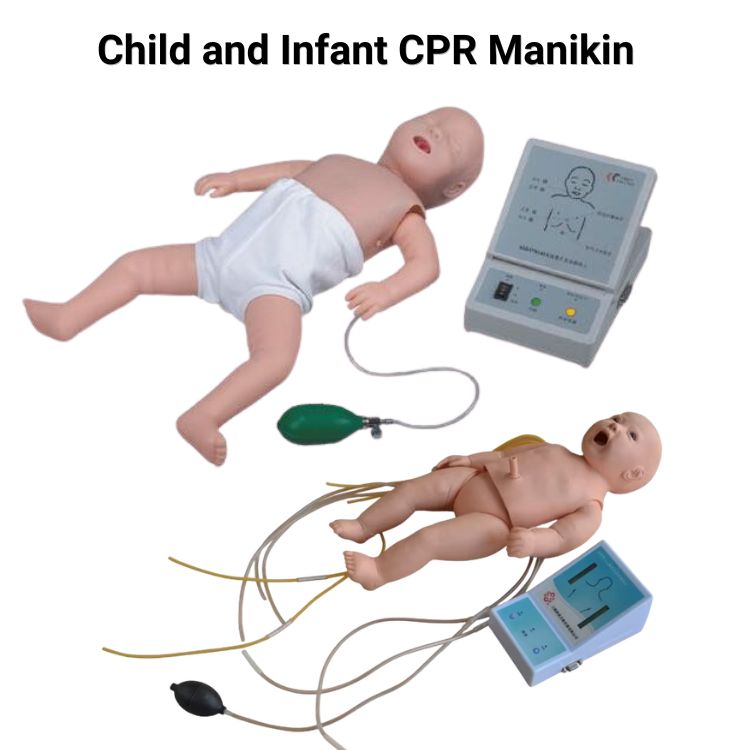
Treating a newborn is vastly different from treating an adult. An infant manikin is essential for proper neonatal training. These small models replicate the fragile anatomy and specific proportions of a baby.
They are used extensively for infant CPR and delicate airway management. Newborn care training also covers procedures like umbilical cord care, gentle intubation, and inserting feeding tubes. Medical professionals must learn how to handle tiny airways and apply the precise amount of force during chest compressions. An infant model provides the exact physical feedback needed to master these vital neonatal skills
Child Manikin for Pediatric Emergency Care Training
Children have unique physiological responses and anatomical structures that differ from both infants and adults. A child manikin is specifically proportioned to represent a toddler or young child.
Pediatric assessment requires distinct techniques. These models allow learners to practice emergency intervention practice, such as clearing foreign body airway obstructions or establishing intravenous access in small, fragile veins. Specialized child healthcare education relies heavily on these tools to help practitioners recognize the early physical signs of pediatric distress. Practicing on a child model ensures healthcare providers feel ready when facing real pediatric emergencies.
How to Choose the Right Medical Training Manikin
Selecting the right Medical training manikins require careful thought and planning. Consider the following factors before making a decision.
Training objectives: If you teach only basic first aid, simple CPR dummies will suffice. If you run a comprehensive medical program, you will need advanced simulators.
Institution type: A busy hospital simulation center has different daily needs than a small vocational nursing school.
Durability: The equipment will endure repeated daily use. Choose materials that resist wear and tear over the years.
Features and realism: Decide whether you need electronic feedback, articulating joints, interchangeable parts, or specific anatomical details.
Budget considerations: Balance required features with available funding, keeping long-term use in mind.
Medical Training Manikin Price and Value Consideration
Medical training manikins are available in the Bangladeshi market, ranging from Tk 90,000 to Tk 250,000
Understanding pricing helps you make a smart educational investment. Factors affecting pricing include the level of internal technology, the realism of the synthetic materials, and the inclusion of software systems. A basic task trainer will cost significantly less than a computer-controlled simulator that mimics human vital signs.
However, you must consider the long-term training benefits. High-quality medical training manikin reduce clinical errors and directly improve patient outcomes. While advanced models require a larger upfront investment, they provide unmatched educational value. They prepare students for complex, real-world scenarios, making them a worthwhile addition to any serious healthcare curriculum.
Where to Buy Medical Training Manikins in Bangladesh
For medical institutions located in Bangladesh, sourcing reliable equipment is a critical step. Buyers should evaluate local and international suppliers carefully before purchasing.
Look for vendors who offer a strong track record of supplying reputable medical colleges and hospitals in Dhaka and across the country. You need to verify the quality of the materials and ensure they meet global healthcare training standards. Warranty is another important factor. Medical equipment represents a significant financial investment, and a solid warranty protects that budget. Check for reliable technical support and after-sales service. Simulators require routine maintenance, replacement parts, and software updates. Choosing a local supplier who provides prompt technical support will keep your training programs running without interruption.
Frequently Asked Questions (FAQs)
What is a medical training manikin?
A medical training manikin is a lifelike anatomical model used by medical students, nurses, and doctors to practice healthcare procedures. They allow learners to develop their clinical skills safely before treating real patients.
What is the difference between a CPR manikin and a full body manikin?
A CPR manikin is typically a half-body model designed specifically to practice chest compressions and rescue breathing. A full body manikin includes arms, legs, and a complete torso, allowing students to practice comprehensive patient assessments, lifting, and advanced nursing procedures.
Who uses delivery simulators?
Delivery simulators are primarily used by medical colleges, midwifery schools, and hospital obstetric departments. They help obstetricians, midwives, and maternity nurses practice routine childbirth and manage complex delivery emergencies safely.
Why are infant and child manikins important?
Infants and children have very different anatomy and physical responses compared to adults. Infant and child manikins allow healthcare providers to learn the specific amount of force needed for pediatric CPR and how to manage small airways during emergencies.
How long do training manikins last?
With proper care and routine maintenance, a high-quality training manikin can last for many years. Basic models made of durable plastics often last a decade or more, while advanced electronic simulators may require software updates and part replacements over their lifespan.
What should hospitals consider before purchasing?
Hospitals should consider their specific training goals, the durability of the materials, the availability of replacement parts, and the supplier’s after-sales support. It is also important to balance the initial purchase price with the long-term educational value the manikin provides.
Conclusion
Building a highly competent healthcare workforce requires the right educational tools. A medical training manikin is the absolute foundation of effective clinical skills training. From simple CPR models to highly complex delivery simulators, each type serves a distinct and vital purpose in preparing students for real patient care. By carefully assessing your educational curriculum and choosing the appropriate equipment, you create a safer and more effective learning environment. Investing in high-quality simulation tools ultimately leads to better-trained professionals and significantly improved patient safety.

 First Aid Kit and Safety