

Hospital Bed Buying Guide: Types, Features, and Benefits

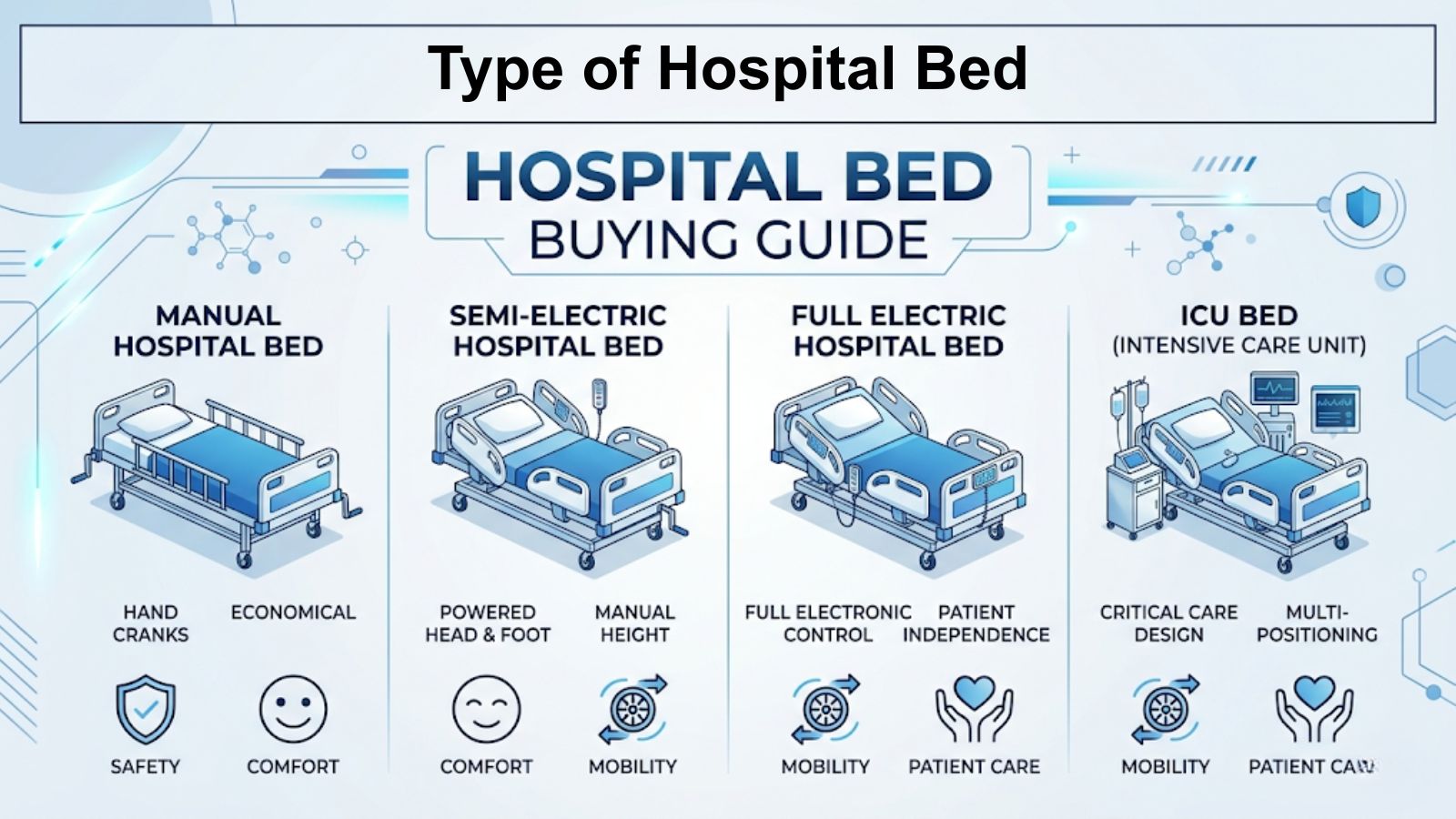
Hospital Bed Buying Guide: Getting the right bed changes everything for a patient in recovery and the person caring for them. Whether you are equipping a large clinical facility or setting up a comfortable recovery room at home, choosing the right patient bed is a major decision. The correct choice promotes faster healing, prevents injuries, and makes daily care routines significantly easier.
The Hospital Bed Buying Guide will walk you through everything you need to know to make an informed decision.
Why is the hospital bed buying guide important?
A medical bed is specialized hospital furniture designed specifically for the safety, comfort, and treatment of patients. Unlike standard home beds, these units allow for precise adjustments to the head, feet, and overall height of the mattress.
This level of control is crucial. For patients with mobility issues, respiratory conditions, or severe injuries, lying flat is often painful or dangerous. Adjustable beds allow patients to sit up to eat, elevate their legs to reduce swelling, and shift positions to prevent pressure ulcers. For caregivers and nurses, the ability to raise the entire bed to waist level prevents severe back strain during daily care routines.
Types of Hospital Beds
There is no single solution that fits every scenario. Understanding the categories will help you match the equipment to the specific medical need.
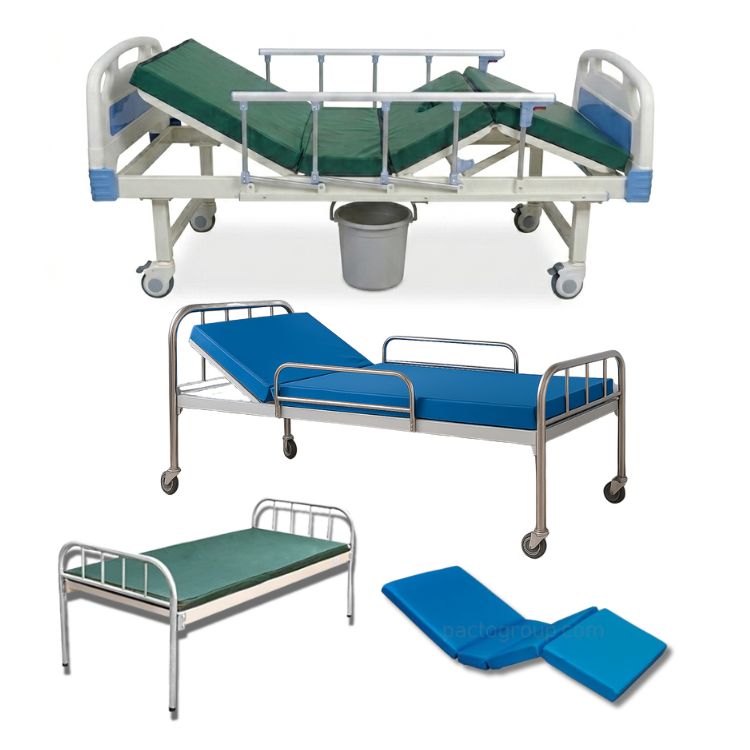
Manual Hospital Bed
Manual beds rely on hand cranks located at the foot of the bed to adjust the height, head, and foot sections. They are the most affordable option. However, they require physical effort from the caregiver to make any adjustments. These are best suited for patients who do not need frequent repositioning or for facilities with strict budget constraints.
Semi-Electric Hospital Bed
A semi-electric bed offers a middle ground. It uses an electric motor controlled by a pendant remote to adjust the head and foot sections. The overall height of the bed, however, is still adjusted using a manual crank. This is a great choice for patients who want to control their own comfort but do not require frequent changes to the overall bed height.
Full Electric Hospital Bed
An electric hospital bed allows the user to adjust the head, foot, and overall bed height with the push of a button. This maximizes independence for the patient and eliminates heavy lifting for the caregiver. If a patient is at home long-term or has severe mobility restrictions, a full electric model is highly recommended.
ICU Bed
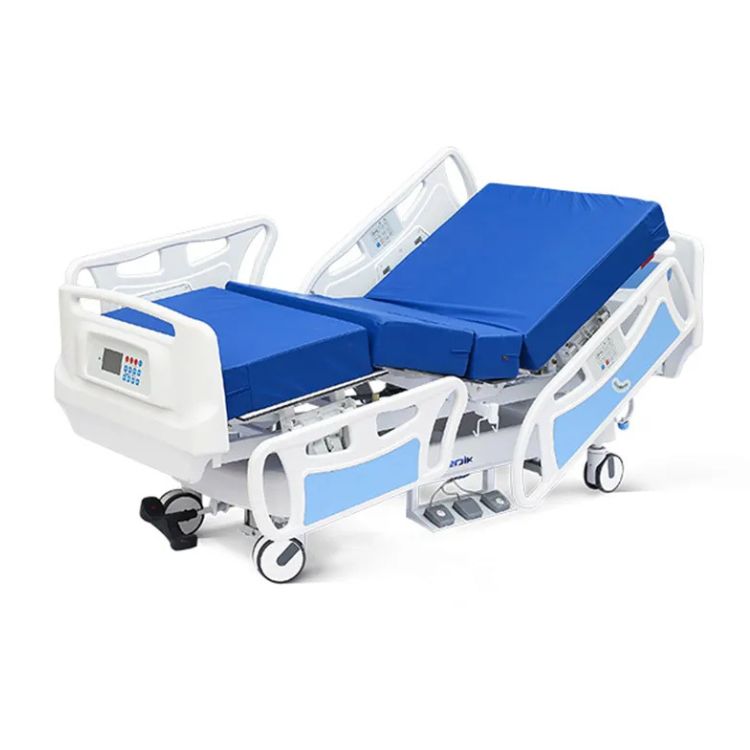
An ICU bed is designed for critical care environments. These beds come with advanced features like built-in weighing scales, CPR quick-release functions to flatten the bed instantly in emergencies, and specialized mattress compatibility for severe pressure relief.
Fowler Bed
Fowler beds are specifically designed to help patients sit up at various angles. The “Fowler’s position” involves raising the head and torso to between 45 and 60 degrees. This specific type of bed is incredibly helpful for patients who have trouble breathing, are recovering from chest surgeries, or need to be fed through a tube.
Pediatric Hospital Bed
Children need different safety parameters than adults. Pediatric beds are smaller and feature higher side rails with tighter spacing to prevent accidental falls or entrapment. They often come in less clinical, more comforting colors and designs.
Key Features to Consider Before You Buy
When evaluating your options, look closely at these specific features to ensure the bed meets your requirements.
- Bed Dimensions: Standard hospital beds are around 36 inches wide and 80 inches long. If you are caring for a taller or larger patient, you will need a bariatric bed or an extension kit.
- Weight Capacity: Always check the safe working load. Standard beds usually support up to 350 pounds, while heavy-duty bariatric beds can support 600 to 1000 pounds.
- Side Rails: Rails prevent falls and give patients something to grip when repositioning. Choose between half-rails or full-rails depending on the patient’s fall risk.
- Mattress Compatibility: The bed frame is only half the equation. Ensure the frame supports the specific type of mattress you need, whether that is a standard foam medical mattress or an alternating pressure air mattress.
- Mobility and Wheels: Heavy-duty caster wheels are essential if you need to move the bed between rooms. Ensure the wheels have strong, easily accessible locking mechanisms.
- Height Adjustment: A bed that lowers very close to the floor is vital for patients with dementia or severe fall risks.
- Backrest and Leg-rest Adjustment: Smooth, quiet articulation is important for patient comfort, especially during the night.
- Safety Features: Look for backup battery systems in electric beds so they can still be adjusted during a power outage.
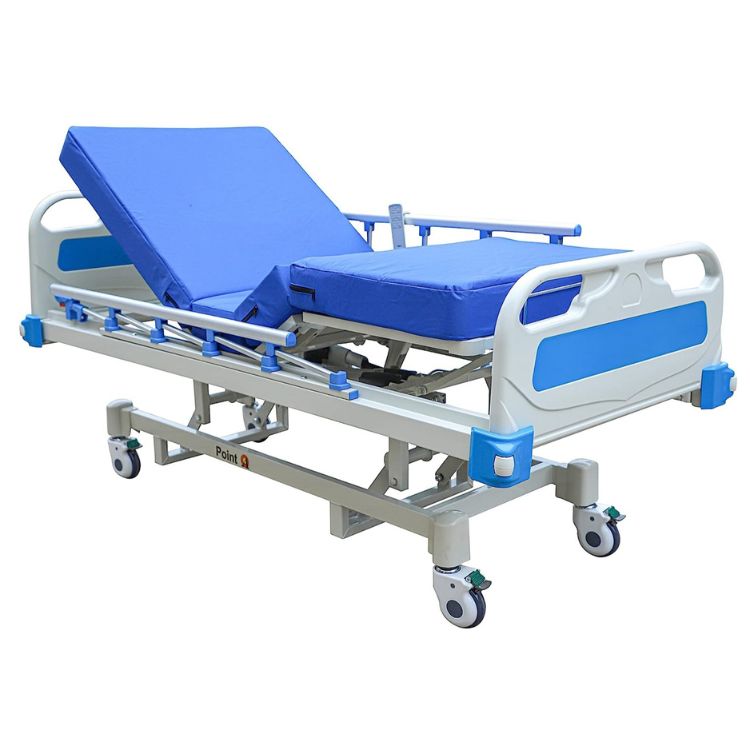
The Real Advantages of Hospital Beds
Investing in the right medical equipment can yield immediate and long-lasting benefits in all areas. Our hospital bed buying guide will help you choose the right bed.
For Patients
The primary advantage is targeted comfort. The ability to elevate the head improves breathing and digestion, while elevating the legs improves circulation. Most importantly, the combination of an adjustable frame and a specialized mattress significantly reduces the risk of painful bedsores.
For Caregivers
Caregiver injury is a massive issue in both home care and clinical settings. A bed that rises to the caregiver’s waist level prevents the bending and lifting that leads to chronic lower back pain.
For Healthcare Facilities
In a clinical setting, durable and easy-to-clean beds improve overall operational efficiency. Advanced features like built-in alarms and scales save nurses valuable time during rounds.
Expert Buying Guide: How to Choose the Right Bed
To make the best choice, evaluate your specific situation using a few key criteria.
First, look at the duration of care. If you only need the bed for a short post-surgery recovery, a manual or semi-electric bed might be perfectly fine. For long-term care or chronic conditions, invest in a full electric model.
Second, evaluate the caregiver’s physical strength. If the primary caregiver is an elderly spouse at home, a manual crank bed is not a safe or practical option.
Third, consider your geographic and logistical context. For example, if you are sourcing a Hospital Bed in Bangladesh, you need to verify that the bed’s electrical components match local voltage standards and that the supplier offers reliable local maintenance and replacement parts.
Common Mistakes to Avoid
- Forgetting about room size: These beds take up more space than standard twin beds, especially when you factor in the room needed to walk around them and operate wheelchairs or patient lifts. Measure the room before buying.
- Using a standard mattress: You cannot put a regular spring mattress on a medical bed frame. It will not bend correctly and will create dangerous pressure points for the patient.
- Ignoring the weight limit: Never push a bed close to its maximum weight capacity. This strains the motors and risks a mechanical failure.
Frequently Asked Questions (FAQs)
Can I put regular sheets on a hospital bed?
Standard twin sheets usually do not fit well because medical beds are longer. You will need Twin XL sheets or specifically sized hospital bed sheets to ensure they do not pop off when the bed is adjusted.
Does Medicare or insurance cover the cost of a home hospital bed?
In many regions, insurance or Medicare will cover a portion of the cost if a doctor prescribes the bed as a medical necessity. You will need to check your specific policy for details on whether they cover manual, semi-electric, or full electric models.
How do I clean and maintain the bed?
Wipe down the frame regularly with mild soap and water or standard medical disinfectants. If you have an electric bed, check the cables periodically for any signs of wear and test the remote control buttons to ensure smooth operation.
Conclusion
Choosing the right patient bed comes down to understanding the physical needs of the person using it and the practical needs of the person providing care. Take your time to measure your space, assess the required features, and select a model that prioritizes safety and comfort. A well-chosen bed is not just a piece of furniture; it is a critical tool for recovery and daily well-being.

 First Aid Kit and Safety